Get a Quote

Get a quote

Get a Quote

Get a quote

Get a Quote

Get a quote

What is an RFID Reader?

An RFID reader is a device that communicates with RFID tags using radio waves to capture, store, and process data. These readers act as the bridge between RFID tags and your system, enabling businesses to track, identify, and manage assets automatically.

RFID readers come in multiple types—each designed for different industries, applications, and environments.

RFID Readers: Types, Features & Uses

A quick, skimmable overview of common RFID reader categories—with key features, typical applications, and example models from leading brands.

Handheld RFID Readers

Portable devices with an integrated RFID antenna, often resembling mobile computers.

Key Features

  • Mobility and on‑the‑go scanning
  • Built‑in display
  • Scan barcodes + RFID in one device

Applications

  • Retail inventory checks
  • Field service
  • Healthcare asset tracking
  • Event management
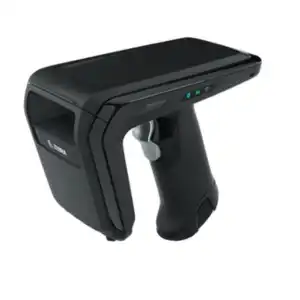
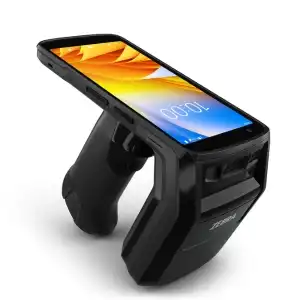
Zebra RFD40 Nordic ID HH83

RFID Sled Readers

Attachment‑style readers that convert your smartphone or mobile computer into an RFID reader.

Key Features

  • Lightweight and ergonomic
  • Cost‑effective add‑on
  • Extends existing device functionality

Applications

  • Quick scanning in retail
  • Ticketing
  • Light warehouse use
Zebra RFD90 Newland NFT10 Pilot Pro

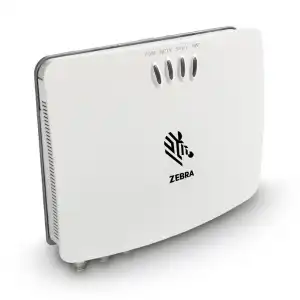
Fixed RFID Readers

Stationary readers installed at entry/exit points, conveyor belts, or dock doors.

Key Features

  • Continuous scanning
  • Multiple antenna ports
  • High coverage and throughput

Applications

  • Warehouses & manufacturing
  • Logistics and shipment tracking
  • Supply chain visibility
Impinj R700 Zebra FX9600

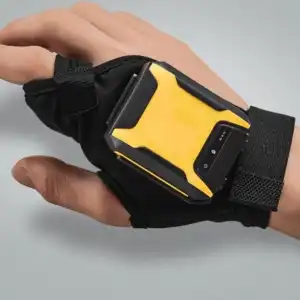
Wearable RFID Readers

Compact readers worn on the wrist or finger, paired with mobile devices.

Key Features

  • Hands‑free operation
  • Ergonomic for long shifts
  • Very fast scanning

Applications

  • High‑speed picking & packing
  • Order fulfillment
  • Healthcare workflows
Chainway C66 Wearable RFID

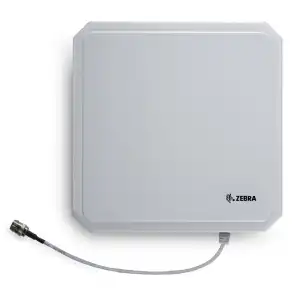
RFID Antennas

Not readers themselves but work with fixed readers to extend scanning coverage.

Key Features

  • Control read zones
  • Long‑distance detection

Applications

  • Dock doors & portals
  • Large warehouse aisles
Impinj Far‑Field & Near‑Field Zebra AN440

Overhead RFID Readers

Ceiling‑mounted readers that cover large areas without physical portals.

Key Features

  • Wide‑area, always‑on visibility
  • Fewer hardware installation points

Applications

  • Retail stores for real‑time inventory
  • Smart fitting rooms
  • Libraries
Impinj xArray Impinj xSpan
At‑a‑Glance Comparison
Type Mobility Install Effort Coverage Best For
Handheld High (on‑person) Low Spot/zone Cycle counts, audits
Sled High (add‑on) Low Spot/zone Retail, ticketing
Fixed None (stationary) Medium Portal/area Inbound/outbound, docks
Wearable High (hands‑free) Low Spot/zone Picking, packing
Antennas N/A Medium (with fixed) Extended zone Portals, aisles
Overhead None (ceiling) Medium‑High Wide area Real‑time in‑store visibility

Applications of RFID Readers

Retail

Inventory accuracy, loss prevention, smart checkout.

Stock Count Anti-Theft Full Retail Solution

Warehousing & Logistics

Real-time visibility, shipment tracking, pallet movement.

Warehouse Management

Healthcare

Asset management, patient tracking, sterile supply monitoring.

Asset Management

Manufacturing

Work-in-progress monitoring, automated quality checks.

Asset Management

Events & Ticketing

Fast check-in, counterfeit prevention.

Libraries & Education

Automated check-in/out, real-time shelf management.

FAQs on RFID Readers

Q1. What is the difference between a handheld RFID reader and a sled reader?

A handheld RFID reader is a standalone device with a built-in display and software, while a sled reader attaches to a smartphone or PDA to add RFID functionality.

Q2. Can RFID readers also scan barcodes?

Yes, many handheld readers from brands like Zebra and Newland integrate both RFID and barcode scanning in one device.

Q3. How far can an RFID reader scan?

Range depends on the type—sleds and wearables typically 1–3 meters, handhelds up to 6 meters, fixed and overhead readers up to 15–20 meters with high-gain antennas.

Q4. Do RFID readers need special software?

Yes, readers integrate with asset management, warehouse management, or retail POS/ERP software for full functionality.

Q5. Which brands are most reliable for RFID readers?

Trusted global brands include Zebra, Impinj, Nordic ID, Chainway, and Newland, known for durability, wide adoption, and integration support.

Main Menu