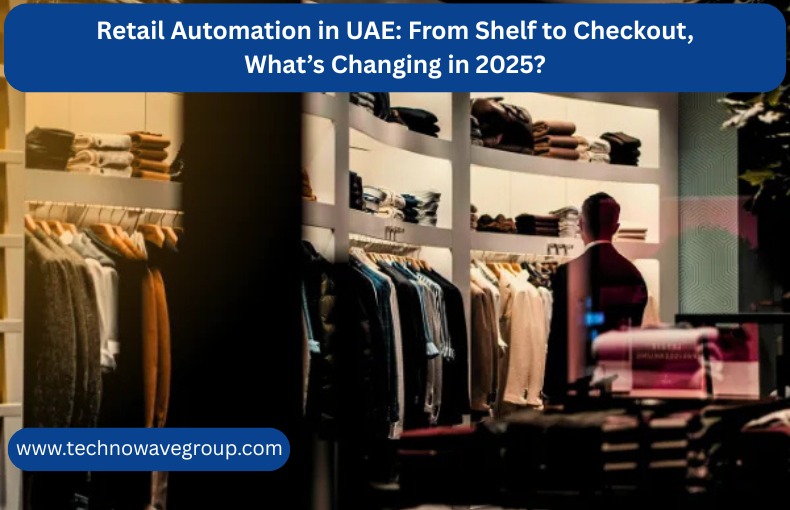
In 2025, the retail landscape in the UAE is set to undergo a significant transformation driven by automation technologies. This blog will explore how innovations such as retail people counters, footfall counters for retail, shelf labels retail, and RFID retail inventory management are revolutionizing customer experiences and operational efficiency. By the end of this article, you will gain valuable insights into how these technologies are shaping the future of retail in one of the region’s fastest-growing markets.
1. Understanding Retail Automation in UAE : A Brief Overview
The retail sector in the UAE is experiencing a major transformation, with automation technologies playing a crucial role in enhancing business functions. Retail automation refers to the use of technology to streamline and optimize operations, improve customer experiences, and reduce human intervention in various processes. This shift marks a new era in retail, where data-driven decisions lead to increased efficiency and customer satisfaction.
Curious about the current state of retail automation in the UAE? Recent reports suggest that the adoption rates are on the rise, although businesses face challenges in integrating these technologies effectively. Local retailers are adjusting their strategies to keep up with global trends and customers’ evolving expectations. This remarkable evolution presents opportunities for continuous growth and innovation, indicating a bright future for the retail industry in the UAE.
2. The Rise of Store Analytics: Retail People Counters
One of the most innovative tools in retail automation is the retail people counter, which plays a pivotal role in gathering essential data about consumer behavior and foot traffic patterns. By employing accurate tracking methods, retailers can analyze customer movement within their establishments and understand peak shopping times, leading to better resource allocation.
Data gathered from retail people counters can greatly influence strategic planning and operational efficiency. Successful retailers in the UAE have harnessed this technology to enhance customer service and optimize store layouts. For instance, utilizing insights from foot traffic data has allowed them to arrange their products more effectively, ensuring that high-demand items are readily accessible during peak hours.
3. Enhancing Customer Experience with Footfall Counters for Retail
Footfall counters for retail are becoming increasingly vital for businesses aiming to tailor their shopping experiences to meet customer needs. These advanced systems provide valuable insights that allow retailers to optimize their store layouts and staffing to enhance visitor experiences.
Retailers can now leverage footfall counting data to analyze customer behavior, such as how long consumers linger in particular areas of the store. This insight can be used to refine product placement, advertising, and sales strategies. Technological advancements such as integration with broader retail analytics platforms allow businesses to utilize this data effectively, driving sales and increasing customer loyalty.
4. Dynamic Pricing: The Role of Shelf Labels Retail
Shelf labels retail have evolved far beyond traditional product information. The advent of electronic shelf labels (ESLs) has automated pricing updates and transformed visual merchandising. These dynamic tools enable retailers to maintain competitive pricing and significantly reduce operational costs associated with traditional label management.
By incorporating compelling visuals and dynamic pricing strategies, retailers can attract shoppers in a more impactful manner. ESLs (Electronic Shelf Labels) allow for real-time pricing adjustments that reflect market conditions and stock availability, eliminating instances of stockouts and ensuring customers are informed accurately about product pricing. This adaptive approach can lead to increased revenue and improved customer satisfaction.
5. Streamlining Operations: RFID Retail Inventory Management
At the forefront of inventory management efficiency is Radio-frequency identification (RFID) technology, which is revolutionizing how retailers maintain stock accuracy in the UAE market. RFID retail inventory management streamlines processes, allowing for timely and accurate stock-taking, loss prevention, and effective supply chain management.
By implementing RFID solutions, retailers can drastically reduce inventory discrepancies and improve order fulfillment accuracy. Case studies from outlets in the UAE illustrate the successful deployment of RFID systems, showcasing how retailers streamline operations and enhance customer experiences through prime inventory visibility and accessibility.
6. The Future of Retail Automation: Trends to Watch and Prepare For
As we approach 2025, it’s essential to keep an eye on emerging trends in retail automation. Innovations like AI applications are enhancing personal shopping experiences and leveraging advanced machine learning algorithms to predict consumer behaviors. Retailers will need to adapt continuously to remain relevant in a rapidly changing technological landscape.
Potential regulatory changes and global economic factors are impacting the adoption of these technologies. Retailers must stay vigilant and strategically prepare for these developments to meet evolving consumer demands and expectations. Embracing these advancements will not only enhance customer satisfaction but also provide a competitive edge in a dynamic market.
Conclusion: Share Your Thoughts!
As we witness the technological transformation unfolding in the UAE’s retail sector, we invite you to share your thoughts and experiences regarding retail automation. How are you preparing for these changes? What innovations excite you most about the future of retail? Join the conversation by leaving a comment below!
Frequently Asked Questions
What is retail automation?
Retail automation refers to the use of technology to streamline and optimize operations within retail environments, improving customer experiences and reducing human intervention.
What are retail people counters?
Retail people counters are advanced tools that gather data about consumer behavior and foot traffic patterns, helping retailers analyze customer movement and peak shopping times.
How do footfall counters enhance customer experience?
Footfall counters provide insights into customer behavior, allowing retailers to optimize store layouts and staffing, ultimately leading to improved shopping experiences.
What are electronic shelf labels (ESLs)?
ESLs are digital pricing tools that allow retailers to automate pricing updates, providing real-time adjustments based on market conditions and enhancing visual merchandising.
How does RFID technology impact inventory management?
RFID technology streamlines inventory management by improving stock accuracy, reducing discrepancies, and enhancing order fulfillment processes.
What benefits can retailers expect from implementing automation technologies?
Retailers can improve operational efficiency, enhance customer satisfaction, achieve better resource allocation, and provide more accurate pricing information through automation technologies.
What trends in retail automation should we watch for in 2025?
Emerging trends include AI applications for personalized shopping experiences, machine learning for predicting consumer behavior, and how regulatory changes and global economics influence technology adoption.
How can retailers adapt to the changes brought by automation?
Retailers should stay abreast of technological advancements, be proactive in their integration strategies, and continuously adjust their operations to meet evolving consumer demands.
What challenges do retailers in the UAE face regarding automation?
Retailers often encounter difficulties in effectively integrating new technologies, balancing traditional methods with modern practices, and meeting consumers’ ever-changing expectations.
How do these automation technologies influence sales strategies?
By providing data-driven insights, automation technologies help retailers refine product placement, advertising efforts, and customer engagement strategies, thereby driving sales.