Introduction
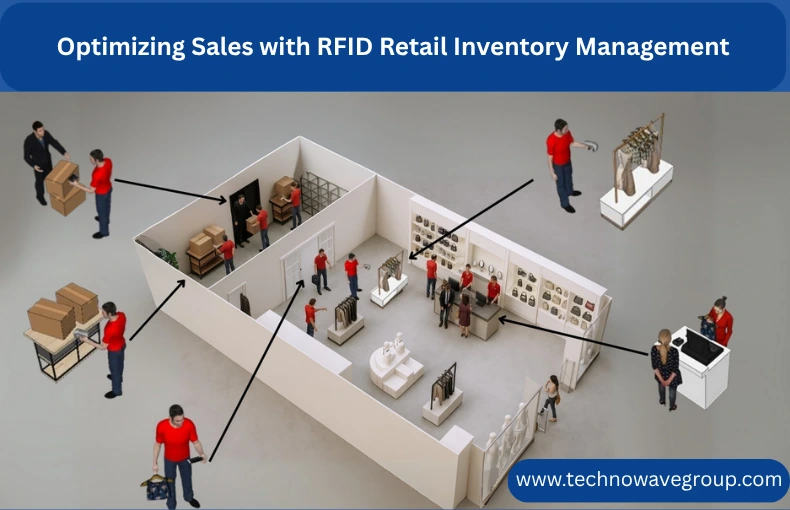
Modern retail demands precision, speed, and accuracy in inventory management. RFID retail inventory management has emerged as a transformative technology that enables retailers to optimize their sales operations while maintaining complete visibility over stock levels. This intelligent system uses radio frequency identification to track products automatically, eliminating manual errors and providing real-time insights that drive strategic business decisions. As retail landscapes become increasingly competitive, implementing advanced inventory solutions is no longer optional—it’s essential for survival and growth.
Key Takeaways
RFID retail inventory management revolutionizes how retailers track and manage their stock by providing real-time visibility, reducing manual labor, and minimizing inventory discrepancies. This technology enhances customer satisfaction through improved product availability while simultaneously reducing operational costs. Businesses implementing RFID retail inventory management in India and across global markets are experiencing significant improvements in sales conversion rates and overall profitability.
Understanding RFID Technology in Retail Environments
RFID technology utilizes electromagnetic fields to automatically identify and track tags attached to products. Unlike traditional barcode systems that require line-of-sight scanning, RFID readers can capture data from multiple items simultaneously, even when they’re stacked or stored in boxes. This capability makes it particularly valuable for retail operations where speed and accuracy are paramount.
The system consists of three primary components: RFID tags attached to merchandise, readers that capture tag information, and software that processes and analyzes the collected data. Retail RFID solutions integrate seamlessly with existing point-of-sale systems and enterprise resource planning platforms, creating a unified ecosystem for inventory management. This integration allows retailers to maintain accurate stock counts without disrupting daily operations or requiring extensive staff training.
Modern RFID systems have evolved significantly, offering both passive and active tag options. Passive tags, which don’t require batteries, are cost-effective for most retail applications. Active tags, though more expensive, provide extended read ranges and are ideal for tracking high-value items or managing large warehouse facilities.
Key Benefits Driving Sales Growth Through RFID
Real-Time Inventory Visibility
RFID retail inventory management provides instantaneous updates on stock levels across all locations. Retailers can monitor inventory movements from warehouses to sales floors, identifying trends and patterns that inform purchasing decisions. This visibility prevents overstocking situations that tie up capital and understocking scenarios that result in lost sales opportunities.
Store managers receive automated alerts when items reach reorder points, ensuring popular products remain available for customers. The system tracks inventory velocity, helping retailers optimize their product mix and adjust merchandising strategies based on actual performance data. This level of insight was previously impossible with manual counting methods or traditional barcode systems.
Reduced Stockouts and Overstock Situations
Studies indicate that retailers implementing RFID technology experience up to 30% reduction in out-of-stock situations. When customers find desired products consistently available, their shopping experience improves dramatically, leading to increased loyalty and repeat purchases. RFID systems automatically trigger replenishment orders when inventory drops below predetermined thresholds.
Conversely, the technology helps prevent overstock situations by providing accurate demand forecasting. Retailers can analyze historical data, seasonal trends, and current inventory levels to make informed purchasing decisions. This optimization reduces carrying costs, minimizes markdowns on slow-moving merchandise, and improves overall profit margins significantly.
Enhanced Operational Efficiency
Manual inventory counts that previously consumed hours or days now complete in minutes with RFID technology. Employees redirect their time from tedious counting tasks to value-added activities like customer service and merchandising. Handheld RFID readers enable staff to conduct accurate cycle counts quickly, maintaining inventory accuracy without disrupting store operations.
Labor cost reductions typically range from 20-40% when retailers implement comprehensive RFID systems. The technology also reduces shrinkage through improved asset tracking and loss prevention capabilities. Security personnel can monitor high-value items continuously, receiving immediate alerts if tagged merchandise moves outside designated areas without proper authorization.
Implementation Strategies for Maximum ROI
Phased Rollout Approach
Successful RFID implementations follow a strategic phased approach rather than attempting organization-wide deployment simultaneously. Retailers should begin with pilot programs in specific departments or locations, measuring performance metrics and refining processes before expanding. This methodology allows teams to identify challenges, adjust workflows, and develop best practices that ensure successful scaling.
Initial phases typically focus on high-value or fast-moving product categories where RFID benefits are most apparent. As teams gain experience and confidence, they expand the system to additional product lines and locations. This gradual approach minimizes disruption, reduces implementation risks, and demonstrates clear return on investment that justifies continued expansion.
Integration with Existing Systems
RFID retail inventory management delivers maximum value when integrated seamlessly with existing retail management systems. The technology should connect with point-of-sale terminals, warehouse management platforms, and e-commerce systems, creating a unified view of inventory across all channels. Warehouse management systems enhanced with RFID capabilities provide unprecedented visibility into supply chain operations.
Integration enables automated workflows that eliminate manual data entry and reduce errors. When customers purchase items online for in-store pickup, RFID systems automatically locate products and direct staff to exact shelf locations. This efficiency improves fulfillment speed, enhancing customer satisfaction while reducing labor costs associated with order processing.
Tag Selection and Placement Standards
Choosing appropriate RFID tags requires careful consideration of product characteristics, environmental factors, and performance requirements. Retailers must evaluate tag types, attachment methods, and placement positions to ensure reliable read rates. Metal surfaces, liquids, and dense packaging materials can interfere with RFID signals, requiring specialized tags or alternative placement strategies.
Establishing standardized tagging protocols ensures consistency across product lines and locations. These standards should address tag orientation, attachment methods, and quality control procedures. Proper tagging at the source—either by manufacturers or distribution centers—reduces labor costs and improves accuracy compared to in-store tagging operations.
RFID Retail Inventory Management in India: Market Dynamics
The Indian retail sector has embraced RFID technology rapidly, driven by explosive e-commerce growth and changing consumer expectations. Rfid retail inventory management in India addresses unique challenges including diverse product assortments, complex supply chains, and varying infrastructure capabilities across urban and rural markets. Indian retailers recognize that inventory accuracy directly impacts customer satisfaction and competitive positioning.
Government initiatives promoting digitalization and technology adoption have accelerated RFID implementation across Indian retail operations. Major retailers report significant improvements in inventory accuracy, typically achieving 95-99% accuracy compared to 60-70% with manual methods. These improvements translate directly to enhanced customer experiences and increased sales conversion rates.
The technology proves particularly valuable for India’s growing fashion and apparel sector, where product variety, seasonal changes, and trend sensitivity demand precise inventory management. Jewelry retailers also benefit significantly, using RFID to track high-value items and prevent shrinkage. As implementation costs decrease and ROI becomes more apparent, small and medium retailers increasingly adopt RFID solutions, democratizing access to advanced inventory management capabilities.
Measuring Success: Key Performance Indicators
Inventory Accuracy Metrics
Successful RFID implementations dramatically improve inventory accuracy, the foundation of effective retail operations. Retailers should monitor accuracy rates at SKU level, location level, and across the entire organization. Industry leaders maintain 98% or higher accuracy with RFID systems, compared to 65-75% accuracy typical of manual or barcode-only operations.
Regular cycle counting with RFID readers provides ongoing accuracy verification without the expense and disruption of physical inventories. Tracking accuracy trends over time reveals system performance, identifies problem areas requiring attention, and demonstrates ROI to stakeholders. Accurate inventory data enables better forecasting, optimal stock levels, and improved customer satisfaction through product availability.
Financial Impact Indicators
Measuring the financial impact of RFID implementation requires tracking multiple performance indicators. Sales lift resulting from improved product availability typically ranges from 3-7%, directly attributable to reduced stockouts. Inventory carrying costs decrease as retailers optimize stock levels, reducing excess inventory by 10-20% on average.
Gross margin improvements result from reduced markdowns on overstock merchandise and better full-price sell-through rates. Labor cost savings from automated inventory processes and faster fulfillment operations contribute significantly to overall ROI. Most retailers achieve payback on RFID investments within 12-18 months, with ongoing benefits accumulating year after year.
Customer Experience Enhancements
RFID technology enhances customer experiences in numerous measurable ways. Product availability improvements lead to higher conversion rates and increased basket sizes. Faster checkout processes, enabled by RFID-powered self-service options, reduce wait times and improve customer satisfaction scores.
Omnichannel capabilities powered by accurate inventory data enable services like buy-online-pickup-in-store, ship-from-store, and endless aisle options that modern consumers expect. Customer satisfaction metrics, net promoter scores, and repeat purchase rates typically show measurable improvement following RFID implementation. These customer experience benefits create competitive advantages that drive long-term business growth.
Future Trends in RFID Retail Technology
RFID technology continues evolving rapidly, with emerging innovations promising even greater benefits for retailers. Artificial intelligence integration enables predictive analytics that anticipate demand shifts, optimize pricing strategies, and automate replenishment decisions. Machine learning algorithms analyze RFID data patterns, identifying opportunities for operational improvements and customer service enhancements.
Internet of Things integration connects RFID systems with smart shelves, intelligent displays, and automated fulfillment systems. This connectivity creates responsive retail environments that adapt automatically to changing conditions. Cloud-based RFID platforms provide scalability, reduce infrastructure costs, and enable real-time collaboration across global retail networks.
Battery-less sensor tags represent the next frontier, combining RFID identification with environmental monitoring capabilities. These advanced tags track temperature, humidity, and other conditions for perishable goods, ensuring product quality throughout the supply chain. As tag costs continue declining and capabilities expand, RFID applications will extend into previously cost-prohibitive product categories and use cases.
Conclusion
RFID retail inventory management transforms retail operations by providing real-time visibility, reducing manual labor, and optimizing stock levels for maximum sales performance. Retailers implementing these systems experience significant improvements in inventory accuracy, operational efficiency, and customer satisfaction. The technology delivers measurable ROI through increased sales, reduced costs, and enhanced competitive positioning.
As consumer expectations evolve and retail complexity increases, RFID retail inventory management becomes increasingly essential for success. Forward-thinking retailers recognize that investing in advanced inventory technologies isn’t just about operational improvement—it’s about creating sustainable competitive advantages that drive long-term growth. Contact Technowave Group today to discover how RFID solutions can optimize your retail operations and accelerate sales growth.