Introduction
Construction and real estate projects struggle with workforce accountability, material theft, and safety compliance challenges daily. RFID in construction and real estate is revolutionizing how project managers track assets, monitor personnel, and maintain site security across the UAE and GCC regions. By implementing Radio Frequency Identification technology, construction firms are reducing material losses by up to 40% while improving operational efficiency. This automated tracking system eliminates manual errors, provides real-time visibility into workforce movements, and ensures materials reach their intended destinations without delays or theft.
Key Takeaways
- RFID technology enables real-time tracking of construction workers, equipment, and materials, reducing theft by 60% and improving project accountability
- Workforce tracking with RFID improves labor productivity by 30% through automated attendance, safety compliance, and efficient resource allocation
- Material management systems using RFID tracking for construction materials reduce inventory discrepancies by 95% and prevent costly project delays
Understanding RFID Technology in Construction
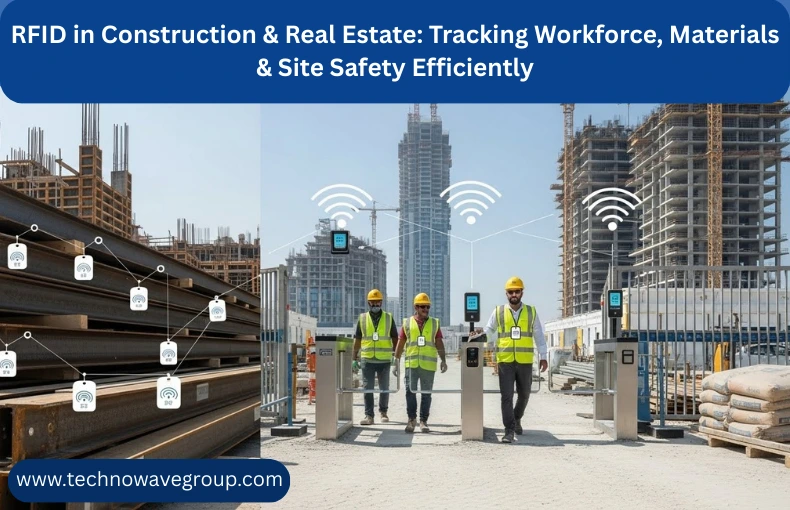
RFID technology uses electromagnetic fields to automatically identify and track tags attached to objects, people, or equipment without manual intervention. In construction environments, the system consists of three core components: tags embedded in worker badges or attached to materials, readers installed at strategic locations, and software platforms that process collected data into actionable insights.
The technology operates across various frequencies, with UHF RFID being most prevalent in construction due to its long read range of up to 12 meters. This capability allows simultaneous reading of multiple items—essential when tracking hundreds of materials entering busy construction sites. Unlike barcode systems requiring direct line-of-sight scanning, RFID solutions work even when tags are embedded in concrete, covered in dust, or hidden under protective materials. Construction projects across Dubai, Abu Dhabi, and the broader UAE market are rapidly adopting these systems to modernize site operations and enhance productivity.
RFID Tracking for Workforce: Automating Attendance and Safety
Real-Time Worker Location Monitoring
Construction sites employ hundreds of workers across multiple shifts, making manual attendance tracking inefficient and error-prone. RFID tracking for workforce management automates this entire process by issuing smart badges to each employee and contractor. When workers pass through entry gates equipped with RFID readers, the system automatically logs their presence, creating accurate time-and-attendance records without requiring manual check-ins or paperwork.
Beyond simple attendance, workforce tracking addresses critical safety concerns. During emergencies like fires, structural collapses, or chemical spills, site managers can instantly identify who is on-site and their last known location. Construction firms in the UAE report 45% faster emergency response times after implementing RFID workforce solutions, potentially saving lives during critical incidents.
Enhancing Labor Productivity Through Data Analytics
Labor productivity analysis becomes data-driven with RFID tracking technology. Managers identify patterns such as excessive time spent in non-work areas, inefficient movement between zones, or frequent unauthorized breaks. One major construction project in Dubai reduced labor costs by 22% after analyzing RFID data and optimizing worker deployment across different site sections.
The system also enforces restricted zone access, preventing unauthorized personnel from entering hazardous areas like excavation sites or locations with operating heavy machinery. Mobile computers equipped with RFID readers allow supervisors to verify worker presence and task completion anywhere on site, enhancing accountability across all organizational levels.
Streamlining Payroll and Compliance
Integration with payroll systems eliminates timesheet disputes and ensures accurate compensation. RFID data feeds directly into accounting software, automating payment calculations based on actual working hours. This automation supports compliance with UAE labor regulations by providing auditable records of working hours, overtime, break periods, and rest days—essential for avoiding costly penalties and legal disputes.
RFID Tracking for Construction Materials: Preventing Theft and Optimizing Inventory
Combating Material Theft and Loss
Material theft costs the global construction industry billions annually, with building sites being particularly vulnerable due to their open nature and high-value inventory. RFID tracking for construction materials provides comprehensive protection by tagging every item from cement bags and steel beams to power tools and generators. When materials arrive on site, workers scan tags using handheld RFID readers, automatically updating inventory databases with quantities, locations, and timestamps.
Real-time inventory visibility eliminates the common problem of “lost” materials that exist somewhere on site but cannot be located when needed. Project managers receive instant alerts if tagged items leave designated storage areas or exit the site perimeter without authorization. This automated monitoring has helped UAE construction companies reduce material theft by over 60%, with some reporting savings exceeding $250,000 annually on mid-sized projects.
Optimizing Material Procurement and Usage
The system creates complete audit trails showing when materials were delivered, where they were stored, and when they were consumed in construction activities. This granular data reveals which materials are over-ordered, underutilized, or frequently damaged during storage and handling. Construction managers adjust procurement strategies based on actual consumption patterns rather than estimates, reducing waste by up to 35%.
Material utilization optimization supports sustainability initiatives—increasingly important for real estate developers in environmentally conscious markets like the UAE. According to recent industry reports, construction waste represents 30% of total project costs in the region. RFID tracking helps minimize this waste through better planning and real-time material tracking.
Equipment and Tool Management
Equipment tracking through RFID prevents costly rental extensions and enables predictive maintenance scheduling. When tools and machinery are tagged, managers know exactly where each asset is located, how frequently it’s used, and when maintenance is due. Similar to comprehensive asset management systems used across industries, construction RFID platforms provide centralized control over thousands of assets spread across multiple project sites.
The technology streamlines material transfers between sites. When projects run ahead or behind schedule, companies need to reallocate resources efficiently. RFID makes it simple to identify which sites have surplus materials and automate transfer documentation, reducing administrative overhead and preventing duplicate orders.
Enhancing Site Safety with RFID Systems
Preventing Accidents Through Proximity Detection
Construction sites rank among the most dangerous work environments globally. RFID technology creates multiple safety layers that protect workers while ensuring regulatory compliance. Smart helmets and vests embedded with RFID tags connect to monitoring systems that track worker locations in real-time, immediately alerting supervisors when someone enters hazardous zones without proper authorization or safety equipment.
Proximity detection systems prevent accidents involving heavy machinery. When workers wearing RFID-enabled vests approach operating equipment beyond safe distances, both operators and workers receive instant alerts. Advanced systems automatically slow or stop machinery when unauthorized personnel come too close, reducing accident rates by up to 40% according to construction safety studies.
Confined Space Entry and Emergency Response
Confined space entry monitoring addresses one of construction’s deadliest risks. Before entering areas with limited access or poor ventilation, workers must scan their RFID badges at designated entry points. The system tracks who is inside, duration of stay, and ensures proper safety protocols including buddy systems and atmospheric monitoring. If workers don’t check out within specified timeframes, automatic alerts trigger emergency responses.
RFID detection systems at emergency assembly points automatically register evacuated workers during crises, providing commanders with critical headcount information. During fires, earthquakes, or structural failures, real-time data helps responders verify that all personnel have reached safety zones and quickly identify missing individuals with their last known locations.
Safety Equipment Compliance Monitoring
Safety equipment compliance becomes effortless with RFID tracking. Tags embedded in hard hats, safety harnesses, and protective gear monitor whether items are properly worn and within certification dates. Construction managers receive compliance reports across different crews and shifts, enabling targeted safety training where needed. This proactive approach has helped companies reduce workplace injuries by 45% while demonstrating robust safety protocols to insurance providers and regulatory authorities.
Implementation Considerations and ROI
Calculating Return on Investment
Construction companies implementing RFID solutions typically achieve return on investment within 12-18 months through multiple value streams. Material loss reduction alone often justifies technology investment, with average theft prevention savings reaching $250,000 annually on mid-sized projects. Administrative efficiency gains add substantial value—projects previously requiring three full-time staff for manual tracking now operate with single administrators using automated RFID systems.
Project timeline improvements represent another significant benefit. Construction delays cost developers thousands daily in extended financing, contractor penalties, and missed occupancy deadlines. RFID prevents delays caused by material shortages, equipment unavailability, and workforce mismanagement. Real estate developers in Dubai report average project completion acceleration of 8-12% after implementing comprehensive tracking systems.
Insurance and Compliance Benefits
Insurance premiums decrease when companies demonstrate robust asset protection and safety protocols through RFID data. Insurers recognize that sites with automated tracking systems present lower risks for theft claims and workplace injury lawsuits. Some UAE construction firms have negotiated premium reductions of 15-20% by presenting RFID implementation records and safety compliance data to underwriters.
Data analytics derived from RFID systems enable continuous process improvement. Historical patterns reveal inefficiencies in material procurement, suboptimal workforce allocation, and equipment underutilization. Construction managers make evidence-based decisions rather than relying on intuition, leading to progressively optimized operations across successive projects.
Competitive Advantages in Modern Markets
The technology enhances client relationships and competitive positioning significantly. Real estate developers increasingly demand transparency and accountability from construction partners. Companies offering RFID-enabled project visibility—with dashboards showing real-time progress and asset utilization—win more contracts in competitive markets. This advantage becomes particularly valuable in the UAE where construction quality and timeline adherence differentiate successful firms from struggling competitors.
According to the Middle East Construction Industry Report 2024, construction firms using advanced tracking technologies report 25% higher profit margins compared to companies relying on traditional manual methods. Early adopters gain market share as the industry evolves toward mandatory digital transformation standards.
Future Trends in Construction RFID Technology
Integration with IoT and AI
The construction industry is witnessing convergence between RFID, Internet of Things (IoT) sensors, and artificial intelligence. Next-generation systems combine RFID location tracking with environmental sensors monitoring temperature, humidity, and structural integrity. AI algorithms analyze this combined data to predict equipment failures, optimize material delivery schedules, and identify safety risks before accidents occur.
Blockchain for Supply Chain Transparency
Emerging solutions integrate RFID with blockchain technology to create tamper-proof records of material provenance, quality certifications, and chain of custody. This integration addresses concerns about counterfeit materials and provides complete transparency from manufacturers through distributors to construction sites—critical for high-value projects requiring certified materials and compliance documentation.
Wearable Technology Advancements
Future workforce tracking will leverage advanced wearables combining RFID with biometric sensors monitoring worker fatigue, heat stress, and physical strain. These smart devices alert supervisors when workers show signs of exhaustion or dehydration, preventing accidents caused by impaired judgment or reduced physical capability in demanding construction environments.
Conclusion
RFID in construction and real estate has transformed from experimental technology to essential infrastructure for modern project management across the UAE and global markets. By enabling precise tracking of workforce attendance and safety, comprehensive material inventory management, and proactive site safety monitoring, RFID systems deliver measurable improvements in efficiency, cost control, and risk mitigation. Construction firms implementing these solutions report reduced theft, optimized labor deployment, accelerated project timelines, and enhanced safety compliance. As technology continues advancing with improved tag durability, longer read ranges, and better integration capabilities, early adopters gain significant competitive advantages in increasingly demanding markets. Transform your construction operations with proven RFID tracking solutions. Contact Technowave Group today to explore customized systems tailored to your specific project requirements and operational challenges.
Frequently Asked Questions
1. What is RFID in construction and real estate?
RFID in construction and real estate is a wireless tracking technology that automatically identifies and monitors workers, materials, and equipment using radio frequency tags and readers. It provides real-time visibility, reduces theft, improves safety compliance, and streamlines project management across construction sites.
2. How does RFID tracking for workforce work on construction sites?
RFID tracking for workforce uses smart badges with embedded tags that workers wear. When they pass RFID readers at entry points or work zones, the system automatically logs attendance, location, and movement patterns, enabling real-time monitoring, safety compliance, and accurate payroll processing without manual intervention.
3. What are the benefits of RFID tracking for construction materials?
RFID tracking for construction materials reduces theft by 60%, eliminates inventory discrepancies, and provides real-time location visibility. The technology creates automated audit trails, prevents material shortages, optimizes procurement strategies, and helps construction firms save over $250,000 annually through improved inventory tracking systems.
4. How much does RFID implementation cost for construction projects?
RFID implementation costs vary from $15,000 for small projects to $200,000 for large construction sites, depending on tag quantities, reader coverage, and software requirements. Most construction companies achieve full ROI within 12-18 months through reduced theft, improved productivity, and streamlined operations.
5. Can RFID technology improve construction site safety?
Yes, RFID significantly enhances construction site safety by monitoring worker locations in hazardous zones, tracking safety equipment compliance, preventing machinery accidents through proximity alerts, and enabling faster emergency evacuations. Construction firms report up to 45% reduction in workplace injuries after implementing comprehensive RFID readers.
6. What types of RFID tags are used in construction environments?
Construction sites use rugged UHF RFID tags designed to withstand harsh conditions including dust, moisture, and physical impact. Tags come in various forms: adhesive labels for materials, embedded chips for equipment, wearable badges for workers, and specialized RFID consumables resistant to concrete, chemicals, and extreme temperatures.
7. How does RFID reduce material theft on construction sites?
RFID reduces material theft through automated monitoring that triggers instant alerts when tagged items leave authorized zones or exit site perimeters without proper documentation. The technology creates complete audit trails showing material movement, deters theft through visible security measures, and enables rapid recovery of stolen assets.
8. Is RFID suitable for small construction and real estate projects?
Yes, RFID technology scales effectively for small projects through modular systems with lower initial costs. Small construction firms benefit from reduced material losses, improved worker accountability, and streamlined operations. Cloud-based RFID tracking solutions offer affordable entry points without requiring extensive IT infrastructure investments.
9. What is the typical ROI timeline for RFID in construction?
Construction companies typically achieve RFID return on investment within 12-18 months through material theft prevention, labor productivity gains, reduced project delays, and lower insurance premiums. Mid-sized UAE projects report average savings of $250,000 annually, while large developments see ROI acceleration through faster project completion and reduced administrative costs.
10. How does RFID integrate with construction management software?
RFID systems integrate seamlessly with existing construction management platforms through APIs and cloud connectivity. Real-time data from RFID fixed readers and mobile scanners feeds directly into project management, payroll, inventory, and safety compliance software, creating unified dashboards for comprehensive site oversight and automated reporting.