Introduction
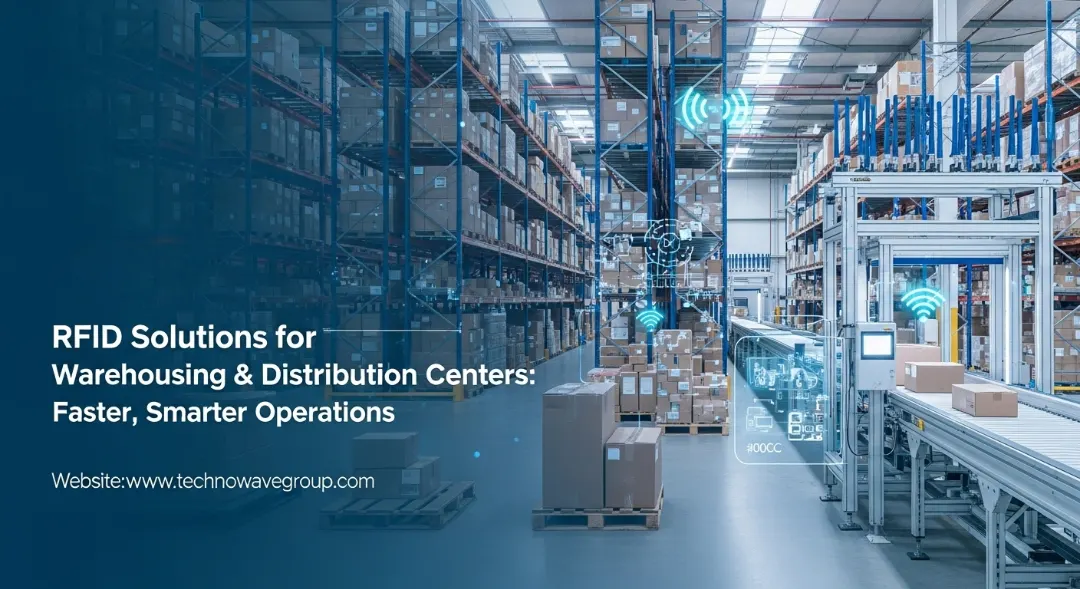
RFID Solutions for Warehousing are transforming how distribution centers manage inventory, process orders, and maintain operational accuracy. As supply chains grow more complex and customer expectations rise, traditional barcode systems struggle to keep pace with the demand for real-time visibility and speed. Modern warehouses across the UAE and GCC regions are adopting RFID technology to eliminate manual scanning bottlenecks, reduce human error, and achieve near-perfect inventory accuracy. This shift from reactive to proactive warehouse management systems enables businesses to optimize space utilization, accelerate fulfillment cycles, and respond dynamically to market demands.
Key Takeaways
RFID Solutions for Warehousing deliver transformative benefits through automated data capture and real-time visibility. Distribution centers implementing RFID technology achieve 99.9% inventory accuracy while reducing labor costs by up to 30%. The technology enables simultaneous scanning of multiple items without line-of-sight requirements, dramatically accelerating receiving, picking, and shipping processes. When integrated with existing warehouse management platforms, RFID systems provide actionable insights that drive continuous operational improvement and enhance supply chain resilience.
Why Modern Warehouses Need RFID Solutions
The logistics landscape has fundamentally changed over the past decade. E-commerce growth demands same-day and next-day fulfillment capabilities that traditional manual processes cannot support. RFID Solutions for distribution centers address this challenge by automating data collection at every touchpoint.
Manual barcode scanning creates productivity constraints and accuracy issues. Workers must locate each barcode, align scanners properly, and scan items individually. This process becomes particularly problematic during high-volume periods when speed directly impacts customer satisfaction. RFID eliminates these friction points through automatic identification. Tags can be read from distances up to 40 feet, and readers can capture hundreds of tags simultaneously in seconds.
Distribution centers face mounting pressure to optimize space while handling increased SKU variety. Poor inventory visibility leads to safety stock bloat, dead stock accumulation, and inefficient space allocation. Real-time RFID tracking provides precise location data for every item, enabling dynamic slotting strategies and space optimization. According to industry research, warehouses implementing comprehensive RFID inventory tracking systems reduce storage space requirements by 15-20% while improving picking efficiency.
Key Benefits of RFID Solutions for Warehousing
Enhanced Inventory Accuracy and Visibility
RFID Solutions for Warehousing deliver unprecedented inventory accuracy by capturing data automatically as goods move through the facility. Traditional cycle counting methods require dedicated staff hours and still maintain error rates of 2-5%. RFID-enabled perpetual inventory systems achieve 99%+ accuracy without manual counting interventions.
Real-time visibility transforms warehouse operations from reactive to predictive. Managers receive instant alerts when inventory levels reach reorder points, when items are misplaced, or when goods approach expiration dates. This proactive approach prevents stockouts, reduces waste, and optimizes purchasing decisions. One UAE-based distribution center reduced stock discrepancies from 4.2% to 0.3% within six months of implementing RFID technology, directly impacting bottom-line profitability.
The technology also solves the persistent challenge of phantom inventory. Items recorded in the system but missing from physical locations create fulfillment delays and customer dissatisfaction. RFID provides continuous verification, immediately flagging discrepancies for investigation and resolution.
Accelerated Receiving and Shipping Operations
Receiving operations represent a critical bottleneck in many distribution centers. Traditional processes require manual unboxing, barcode scanning, and data entry before goods can enter inventory systems. RFID Solutions for distribution centers transform this workflow through pallet-level and case-level reading at dock doors.
When RFID-tagged pallets pass through portal readers, the system automatically verifies contents against purchase orders, updates inventory records, and generates putaway instructions. This automation reduces receiving time per pallet from 15-20 minutes to under two minutes. A major retailer in Dubai implemented RFID portal readers and reduced receiving labor by 40% while improving accuracy.
Shipping verification follows similar efficiency gains. As orders pass through dock door portals, RFID readers confirm all items match packing lists. This automatic verification eliminates time-consuming manual audits and catches picking errors before shipment. Distribution centers report 60-70% reduction in shipping errors after implementing RFID verification systems.
Optimized Labor Utilization and Productivity
Labor costs typically represent 50-70% of warehouse operating expenses. RFID Solutions for Warehousing optimize workforce deployment by eliminating low-value manual tasks and enabling workers to focus on complex problem-solving activities. Automated data capture removes the need for scan confirmations at every process step.
Voice-directed picking and RFID validation create a powerful combination for order fulfillment. Workers receive verbal picking instructions while RFID readers automatically verify correct item selection. This dual-validation approach maintains accuracy while maximizing picking speed. Distribution centers implementing this integrated approach report 25-35% productivity improvements compared to paper-based picking methods.
Mobile RFID readers empower workers to quickly locate misplaced items or verify inventory in real-time. Instead of manually searching through aisles or conducting time-consuming inventory audits, staff can scan entire sections in minutes. This capability proves particularly valuable during cycle counts, product recalls, or seasonal inventory adjustments.
Essential RFID Components for Distribution Centers
RFID Tags and Labels
Selecting appropriate RFID tags forms the foundation of successful warehouse implementation. Passive UHF tags dominate warehouse applications due to their cost-effectiveness, read range, and durability. These tags contain no battery, drawing power from reader signals to transmit stored data. Price points have decreased significantly, with passive tags now costing $0.10-$0.30 each in volume.
Tag form factors vary based on application requirements. Adhesive labels work well for carton-level tagging, while hard tags embedded in plastic enclosures suit reusable containers and pallets. Distribution centers handling metal products or liquids require specialized tags designed to perform reliably in challenging RF environments. Tag selection should consider read range requirements, environmental conditions, and attachment methods.
Encoding strategies significantly impact system effectiveness. Basic tags store simple Electronic Product Codes (EPC) that link to database records. Advanced applications utilize user memory for storing additional data like manufacturing dates, lot numbers, or handling instructions. This embedded data enables item-level traceability without constant database connectivity.
Fixed and Handheld RFID Readers
Fixed RFID readers provide automatic identification at key transition points. Portal readers mounted at dock doors, staging areas, and conveyor lines capture tag data as items pass through read zones. These readers connect to antennas positioned to maximize read coverage while minimizing interference.
Portal configurations vary based on facility layout and throughput requirements. Single-lane portals suit low-volume applications, while multi-lane configurations handle high-speed conveyors and multiple dock doors. Modern fixed readers support up to 32 antenna connections, enabling comprehensive coverage of large areas from centralized hardware.
Handheld RFID readers provide mobility and flexibility for cycle counting, receiving verification, and ad-hoc inventory searches. These ruggedized devices integrate RFID readers with mobile computers, combining scanning capabilities with data processing and communication. Workers can perform inventory counts, verify locations, and investigate discrepancies without returning to fixed terminals.
Integration Software and Middleware
RFID middleware serves as the intelligence layer between readers and business applications. This software filters raw tag reads, applies business rules, and transforms data into actionable information. Quality middleware prevents duplicate reads, manages reader coordination, and ensures clean data flows to warehouse management systems.
Integration with existing WMS platforms enables end-to-end visibility and process automation. Leading warehouse management systems now include native RFID support, simplifying implementation and reducing integration costs. The middleware translates RFID events into WMS transactions, automatically updating inventory locations, order status, and shipping confirmations.
Analytics platforms extract operational insights from RFID data streams. These systems track key performance indicators like inventory accuracy, order cycle times, and space utilization. Advanced analytics identify process bottlenecks, predict capacity constraints, and recommend optimization strategies based on historical patterns and real-time conditions.
Real-World Applications in Warehouse Operations
Automated Putaway and Location Management
Intelligent putaway strategies optimize storage density and picking efficiency. Traditional systems assign fixed locations based on product categories, leading to wasted space and inefficient travel paths. RFID Solutions for Warehousing enable dynamic slotting based on product velocity, dimensions, and order patterns.
When goods arrive, the system analyzes current warehouse conditions and recommends optimal storage locations. Fast-moving items migrate to easily accessible zones near packing stations, while slow-moving inventory shifts to higher storage levels. RFID tracking maintains real-time location accuracy as items move between zones, preventing lost inventory and enabling flexible space utilization.
Cross-docking operations particularly benefit from RFID automation. Goods arriving for immediate shipment bypass storage entirely, moving directly from receiving to shipping docks. RFID readers verify incoming shipments, match them with outbound orders, and direct products to appropriate staging areas. Distribution centers implementing RFID-enabled cross-docking reduce handling costs by 30-50% while accelerating order fulfillment.
Quality Control and Compliance Management
RFID Solutions for distribution centers strengthen quality control through automated verification and traceability. Temperature-sensitive products require careful monitoring throughout the cold chain. Active RFID tags with integrated sensors record temperature data, alerting managers to excursions that could compromise product quality. This capability proves essential for pharmaceutical distribution, food warehousing, and chemical logistics.
Expiry date management becomes effortless with RFID tracking. The system automatically identifies products approaching expiration, generates alerts for inventory rotation, and prevents shipment of expired goods. First-expired-first-out (FEFO) logic ensures optimal inventory turnover while maintaining product quality standards.
Regulatory compliance documentation improves dramatically through comprehensive RFID traceability. Each product movement generates timestamped records documenting handling, storage conditions, and responsible personnel. During audits or recalls, managers can quickly identify affected inventory, trace distribution paths, and demonstrate compliance with regulatory requirements.
Returns Processing and Reverse Logistics
Returns management challenges many distribution centers due to volume unpredictability and processing complexity. RFID Solutions for Warehousing streamline returns through rapid identification and automated routing decisions. As returned items enter the facility, RFID readers capture product data and condition information, automatically determining appropriate disposition.
The system routes items for restocking, refurbishment, recycling, or disposal based on business rules and item condition. This automated decision-making eliminates manual sorting delays and ensures consistent processing. Distribution centers report 40-60% reduction in returns processing time after implementing RFID automation, directly improving cash flow and customer satisfaction.
Fraud prevention represents another returns benefit. RFID tags uniquely identify individual items, preventing return of counterfeit goods or items purchased from other sources. The system verifies each returned item against original sale records, flagging suspicious patterns for investigation.
Implementing RFID: Best Practices for Success
Phased Deployment Strategy
Successful RFID implementations follow phased approaches that minimize disruption and demonstrate value early. Start with pilot projects focusing on specific pain points like receiving accuracy or high-value inventory. These limited-scope projects provide learning opportunities, build organizational confidence, and establish ROI baselines before full-scale deployment.
Initial phases typically target item-level tagging for specific product categories or brands. As teams gain experience and confidence, expand tagging programs to additional products and processes. This gradual approach allows time for tag supply chain development, process refinement, and staff training without overwhelming operations.
Infrastructure deployment should balance coverage with cost considerations. Begin with critical read points like receiving docks and shipping doors where manual scanning creates the biggest bottlenecks. Expand reader networks as business cases justify additional coverage areas. Modern RFID systems support incremental expansion without requiring complete infrastructure replacement.
Change Management and Training
Technology success depends heavily on user adoption and proper utilization. Warehouse staff naturally resist changes that threaten job security or disrupt familiar routines. Effective change management addresses these concerns through transparent communication, comprehensive training, and early involvement in implementation planning.
Training programs should emphasize how RFID improves working conditions rather than threatening employment. Workers equipped with RFID-enabled mobile devices complete tasks faster with less physical strain. Eliminating repetitive scanning motions reduces fatigue and injury risk. Position RFID as a tool that enhances human capabilities rather than replacing workers.
Provide hands-on training with actual equipment in realistic scenarios. Classroom instruction alone proves insufficient for building confidence with new technology. Allow staff to practice with RFID readers, experiment with different techniques, and develop proficiency before go-live dates. Ongoing support and refresher training maintain skills and address questions as they arise.
Performance Monitoring and Continuous Improvement
RFID Solutions for distribution centers generate vast data streams that enable continuous operational optimization. Establish key performance indicators (KPIs) aligned with business objectives before implementation. Common metrics include inventory accuracy percentage, order cycle time, labor productivity, and space utilization rates.
Dashboard tools visualize performance trends and highlight areas requiring attention. Real-time monitoring identifies process bottlenecks, equipment issues, or training needs before they significantly impact operations. Regular performance reviews with cross-functional teams drive improvement initiatives and ensure RFID investments deliver expected returns.
Tag read rates provide critical system health indicators. Monitor read success percentages at each reader location, investigating drops that might indicate equipment problems, environmental changes, or process deviations. Maintaining consistently high read rates ensures data accuracy and system reliability. Industry best practices target 99.5%+ read rates for fixed portal readers and 99%+ for handheld operations.
Conclusion
RFID Solutions for Warehousing represent a strategic investment that delivers competitive advantages through operational excellence. Distribution centers implementing comprehensive RFID systems achieve remarkable improvements in inventory accuracy, order fulfillment speed, and labor productivity. The technology’s ability to provide real-time visibility into every aspect of warehouse operations enables data-driven decision-making and continuous process optimization.
As supply chain complexity increases and customer expectations evolve, RFID technology transitions from competitive advantage to operational necessity. Early adopters in the UAE and GCC regions already demonstrate significant performance improvements and cost reductions. Organizations serious about maintaining competitiveness should evaluate RFID automation solutions and develop implementation roadmaps aligned with their strategic objectives. The future of warehousing and distribution belongs to facilities that leverage RFID technology for smarter, faster, and more reliable operations.
Ready to transform your warehouse operations with RFID technology? Contact Technowave Group today for a customized consultation and discover how our proven solutions can optimize your distribution center performance.
Frequently Asked Questions
1. What are RFID Solutions for Warehousing?
RFID Solutions for Warehousing use radio frequency identification technology to automatically track inventory, assets, and shipments without manual scanning. These systems employ RFID tags, readers, and software integrated with asset management systems to provide real-time visibility and improve accuracy. Businesses implementing RFID reduce labor costs by 30-40% while achieving 99%+ inventory accuracy.
2. How does RFID improve warehouse efficiency?
RFID improves warehouse efficiency by enabling simultaneous scanning of multiple items without line-of-sight requirements. Workers complete receiving, picking, and shipping tasks 60-70% faster compared to barcode systems. The technology eliminates manual data entry errors, reduces search time for misplaced items, and automates inventory verification processes throughout the facility.
3. What types of RFID readers are used in distribution centers?
Distribution centers use fixed portal readers at dock doors and conveyor lines for automatic item identification, plus handheld mobile readers for cycle counting and inventory searches. Fixed readers support up to 32 antennas and capture hundreds of tags simultaneously, while mobile readers combine RFID scanning with data processing capabilities for flexible operations.
4. Can RFID work with existing warehouse management systems?
Modern RFID solutions integrate seamlessly with existing warehouse management systems through middleware software. The middleware translates RFID data into WMS transactions, automatically updating inventory records, order status, and shipping confirmations. Leading WMS platforms now include native RFID support, simplifying implementation and reducing integration costs for businesses.
5. What is the ROI timeline for RFID warehouse implementation?
Most distribution centers achieve positive ROI within 12-18 months of RFID implementation. Immediate benefits include reduced labor costs, improved inventory accuracy, and faster order fulfillment. Long-term gains from optimized space utilization, reduced stockouts, and improved customer satisfaction compound over time. Facilities with high transaction volumes typically see faster returns.
6. How accurate is RFID inventory tracking compared to barcodes?
RFID inventory tracking achieves 99-99.9% accuracy compared to 85-95% for manual barcode systems. RFID eliminates human scanning errors, captures data automatically during product movement, and enables real-time inventory verification. Companies exploring RFID in warehouse management report reducing inventory discrepancies from 3-5% to under 0.5% within months of implementation.
7. What challenges should warehouses consider when implementing RFID?
Key implementation challenges include tag costs for high-volume applications, RF interference from metal shelving or liquids, and change management with warehouse staff. Successful implementations address these through phased deployment, proper tag selection, strategic reader placement, and comprehensive training programs. Working with experienced RFID solution providers minimizes technical and operational risks.
8. Do RFID tags work on all product types?
Standard RFID tags work effectively on most products, but items containing metal or liquids require specialized tags designed for challenging RF environments. Tag manufacturers offering RFID solutions provide options for diverse applications including metal assets, pharmaceutical products, and food containers. Proper tag selection during planning ensures reliable performance across your entire product range.
9. How does RFID support cold chain compliance in warehouses?
RFID supports cold chain compliance through active tags with integrated temperature sensors that continuously monitor and record storage conditions. The system generates automatic alerts when temperature excursions occur, enabling immediate corrective action. Complete temperature history for each item supports regulatory compliance, quality control, and product liability protection.
10. What maintenance do RFID warehouse systems require?
RFID systems require minimal maintenance focused on reader antenna alignment, software updates, and tag inventory management. Fixed readers operate reliably for 5-7 years with annual calibration checks, while handheld devices need battery maintenance similar to other mobile computers. Most distribution centers utilize comprehensive AMC services and allocate 2-5% of initial investment annually for maintenance support.